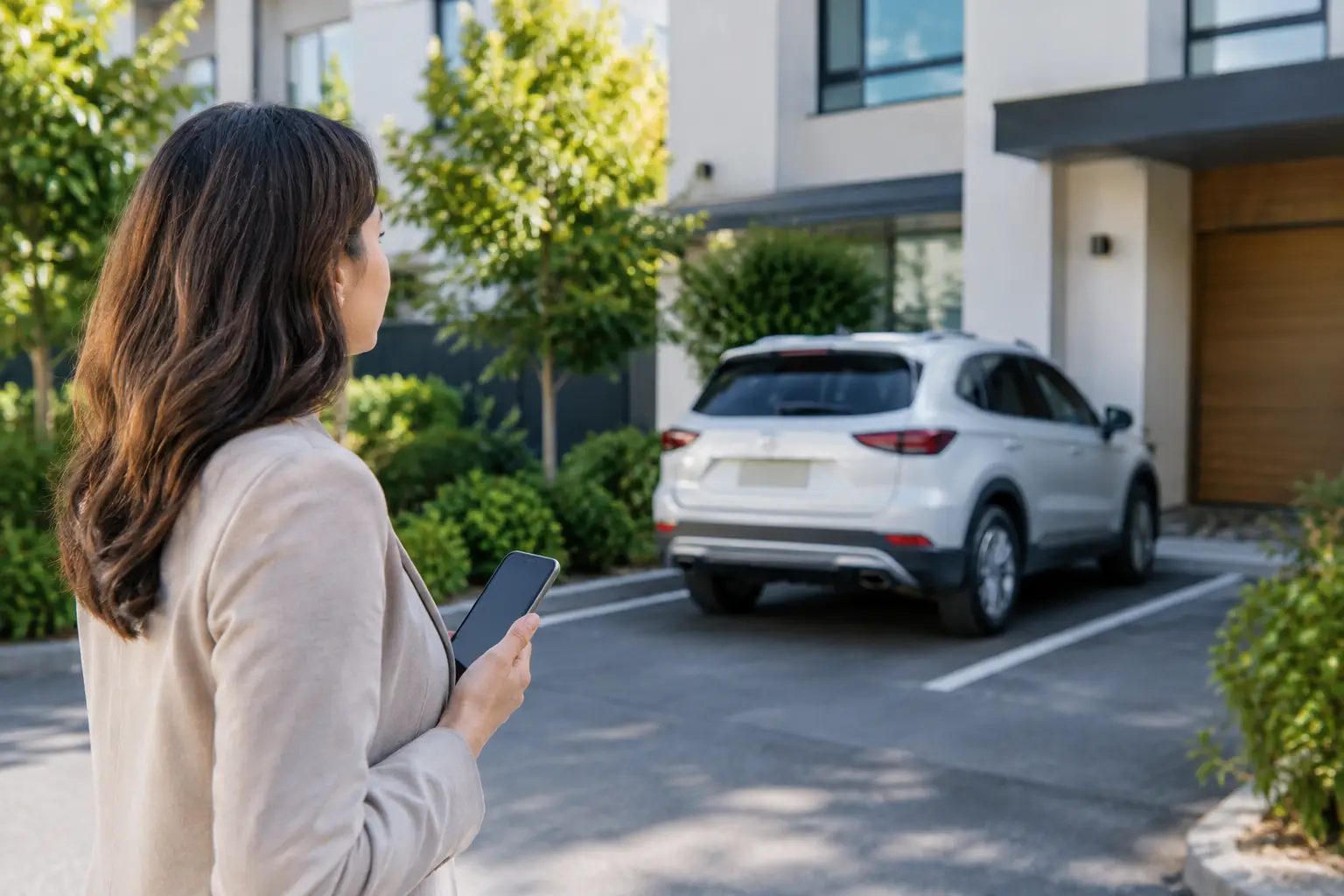
A driveway that sits empty during the workday, a spare garage bay, or an unused side lot can have real value when nearby parking is tight. But can homeowners rent parking? In many parts of the US, yes. The better answer is that it depends on where the property is, how the space is used, and which rules apply to the home.
Renting out a spot does not have to mean becoming a commercial parking operator. It can be a simple agreement: a driver needs a dependable place to park, and a homeowner has room. Still, a few checks before posting a space can prevent avoidable problems with neighbors, insurers, local officials, or guests.
Can Homeowners Rent Parking in Their Area?
Start with local rules. Cities and counties can regulate parking rentals through zoning codes, residential-use rules, business-license requirements, and restrictions on short-term activity. A rule that works in one neighborhood may not work a few blocks away.
Some areas allow a homeowner to rent a driveway or designated off-street space with few limits. Others may require the space to be behind the property line, prohibit commercial vehicle storage, limit the number of vehicles, or restrict overnight parking. Dense downtown neighborhoods, coastal communities, and areas near stadiums, airports, hospitals, or transit stations may have more specific rules because parking demand is higher.
Call or review the guidance from your city or county planning, zoning, or code-enforcement office. Ask a direct question: Is a homeowner allowed to rent an existing off-street parking space to a nonresident? Then ask whether a permit, local business registration, or tax registration is required. Getting the answer in writing, when possible, is useful.
The distinction between an occasional rental and an ongoing parking business can matter. Renting a space for a concert weekend may be treated differently from offering several spaces every day of the year. Frequency, number of spaces, signage, traffic, and payment structure can all affect how local rules are applied.
Check HOA, Condo, and Lease Restrictions
Local law is only one layer. If your home is part of a homeowners association or condominium association, its governing documents may set stricter rules. Associations commonly regulate driveway parking, guest parking, vehicle types, gate access, and commercial activity.
Read the declaration, bylaws, rules, and parking policy rather than relying on what a neighbor says. Look for terms such as “leasing,” “business use,” “commercial activity,” “guest parking,” and “nuisance.” An HOA might permit a resident’s guest to use a driveway but prohibit paid parking by people who do not live in the community.
If you rent the home yourself, check your lease before listing a space. Many leases prohibit subleasing or any paid use of the property without the landlord’s written consent. A landlord may be comfortable with the arrangement, but it is better to have that approval clearly documented.
For shared driveways, duplexes, townhomes, or properties with easements, confirm who controls the space. You should only offer a spot that you have the legal right to use and grant access to. A painted area may look like part of your property while actually being shared or reserved.
Make Sure the Spot Is Truly Usable
A good parking listing begins with an honest assessment of the space. The spot should be off-street, reasonably accessible, and large enough for the vehicles you expect. Measure width, length, turning room, and clearance if the space is in a garage or under a carport.
Think through the arrival and departure experience. Can a driver enter without blocking a sidewalk, fire hydrant, neighbor’s driveway, or emergency access route? Is the surface stable in rain or snow? Does the driver need a gate code, remote, or key? If one parked car traps another, say so clearly and price the space accordingly.
Clear descriptions protect both sides. State whether the spot is outdoors, covered, gated, monitored by a doorbell camera, or available only during certain hours. Mention important limits, such as no oversized trucks, no trailers, no vehicle repairs, no long-term storage, and no overnight use if those terms apply.
Photos should show the actual entrance, parking area, and any tight turn or low clearance. A driver who knows exactly what to expect is more likely to arrive smoothly and follow the terms.
Insurance Deserves a Real Conversation
Homeowners insurance may provide some protection for incidents on your property, but coverage is not automatic just because the space is a driveway. Renting parking creates a business-use question that can change how an insurer views a claim.
Before accepting bookings, call your insurance agent or carrier. Explain that you plan to rent an off-street parking space to unrelated drivers and ask what coverage applies if a vehicle is damaged, stolen, vandalized, or causes injury on the property. Ask whether your current liability coverage is sufficient and whether a home-business endorsement, umbrella policy, or other coverage is recommended.
Do not promise that a parked vehicle is secure unless you can support that claim. A locked gate or covered garage can reduce risk, but neither guarantees safety. Set practical expectations: drivers remain responsible for their vehicles and belongings, and owners should maintain a safe property.
Simple maintenance matters here. Repair obvious pavement hazards, trim branches that could damage vehicles, keep walkways clear, and make sure lighting and drainage are working. If snow and ice are common where you live, decide who handles clearing and when.
Set Terms Before the First Car Arrives
The easiest parking arrangement is one where both people know the rules before arrival. Pricing is only part of the agreement. Access, hours, cancellations, extensions, and prohibited uses need equal attention.
A recurring commuter spot may work best with a monthly arrangement and fixed access hours. An event-day space may need a precise arrival window and a clear cutoff time. Airport-area parking may call for longer stays, instructions for gate access, and a plan if a traveler’s return is delayed.
Be specific about payment and communication. Use a trusted marketplace or a written record that shows the reservation, price, dates, and rules. Spot-Me.us is built around that simple exchange: your space meets their need for one reliable spot.
Avoid cash-only arrangements with vague verbal terms, especially for repeat rentals. A clear record makes it easier to handle a late departure, a mistaken parking location, or a disagreement about availability. It also helps you track income.
Plan for Taxes and Records
Income from parking rentals is generally taxable, even when the amounts feel modest. The tax treatment can depend on how regularly you rent the space, whether you provide services, and your overall use of the property.
Keep a basic record of every reservation, payment, refund, and related expense. Relevant expenses may include a gate remote, lighting, repainting lines, surface repairs, insurance changes, platform fees, and a portion of property costs in some situations. Do not assume every expense is deductible. A qualified tax professional can help you understand what applies to your circumstances.
Your city or state may also impose local taxes, registration obligations, or reporting requirements on paid parking. This is another reason to ask local offices about rules before treating the space as a regular source of income.
Be a Good Neighbor While You Earn
A parking spot can create income without creating friction, but that takes judgment. Consider the street’s normal traffic, where headlights point at night, whether car doors will be close to a neighbor’s windows, and how often drivers will come and go.
Keep your listing aligned with the character and capacity of the property. One clearly marked driveway space used by a commuter is very different from several rotating vehicles on a narrow residential street. If access requires a driver to reverse through a shared area or wait for a gate, the arrangement may not be worth the disruption.
You do not need to make your home complicated to make your extra space useful. Check the rules, confirm the spot works, set clear expectations, and choose bookings that fit how you live. The best parking rental is the one that gives a driver certainty and gives you income without taking over your property.